Dallas Real Estate Investment Guide: Best Neighborhoods for ROI in 2026
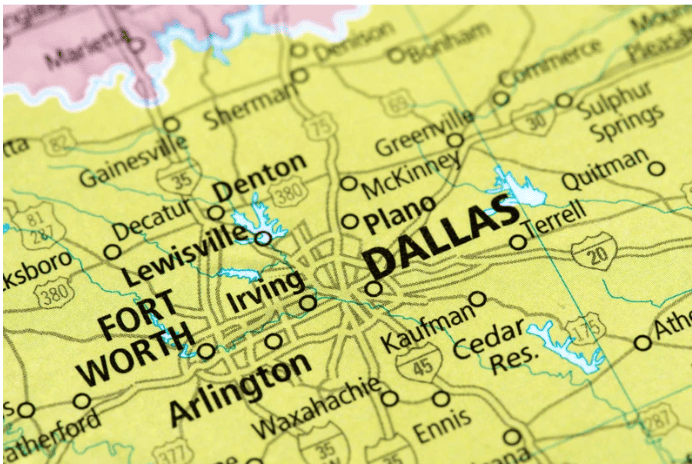
Real estate investing in Dallas continues to offer exceptional opportunities for wealth building, but success in 2026 requires strategic neighborhood selection and understanding of market dynamics. Whether you’re a first-time investor or expanding your portfolio, knowing where to invest—and why—can make the difference between solid returns and spectacular gains.
Why Dallas Remains a Top Investment Market
Dallas-Fort Worth has been ranked the #1 real estate market in America by PwC and the Urban Land Institute for 2026, and for good reason:
- Population Growth: 170,000+ new residents annually
- Job Market Strength: Unemployment below 4%, major corporate expansions
- Affordability: Median home prices 20-30% below coastal markets
- Pro-Business Climate: No state income tax, business-friendly regulations
- Infrastructure Investment: Billions in transportation and development projects
These fundamentals create consistent rental demand and property appreciation—the two pillars of real estate investment success.
Investment Strategy Considerations
Before diving into specific neighborhoods, determine your investment strategy:
Cash Flow vs. Appreciation
Cash Flow Focus: Prioritize rental income over property value growth. Target properties with strong rent-to-price ratios (aim for 1% monthly rent of purchase price or higher).
Appreciation Focus: Accept lower initial cash flow for properties in high-growth areas likely to see significant value increases.
Balanced Approach: Seek neighborhoods offering both decent cash flow and appreciation potential (the “sweet spot”).
Property Types
- Single-Family Homes: Easier to finance, attract long-term tenants, higher appreciation
- Duplexes/Fourplexes: Better cash flow, owner-occupant financing options
- Condos/Townhomes: Lower maintenance, HOA considerations, moderate appreciation
- Short-Term Rentals: Higher income potential but more management intensive
Best Dallas Neighborhoods for Investment ROI (2026)
1. Oak Cliff (Central Dallas) – High Cash Flow + Appreciation
Median Home Price: $280,000-$350,000
Rental Rates: $1,800-$2,400/month
Projected Appreciation: 6-8% annually
Why Invest Here:
Oak Cliff has emerged as Dallas’s hottest investment opportunity, combining affordability with rapid gentrification. The neighborhood offers historic charm, proximity to downtown, and an influx of young professionals and artists.
Target Areas:
- Bishop Arts District (premium pricing but established)
- Kessler Park (historic homes, strong appreciation)
- Elmwood (emerging area, best value plays)
Investor Profile: Value-add investors comfortable with renovations, appreciation-focused strategies.
Risks: Some areas still transitioning; research block-by-block carefully.
2. East Dallas – Balanced Returns
Median Home Price: $320,000-$450,000
Rental Rates: $2,000-$2,800/month
Projected Appreciation: 5-7% annually
Why Invest Here:
East Dallas neighborhoods like Lakewood, Lake Highlands, and Casa View offer stability, established infrastructure, and consistent rental demand from professionals working in downtown Dallas.
Target Areas:
- Lake Highlands (family-friendly, excellent schools)
- Lakewood (upscale, premium rents)
- Lower Greenville (urban lifestyle, high rental demand)
Investor Profile: Buy-and-hold investors seeking stability over speculation.
Risks: Higher entry prices limit cash flow; appreciation potential more moderate than emerging areas.
3. South Dallas – Highest Cash Flow Potential
Median Home Price: $150,000-$250,000
Rental Rates: $1,200-$1,800/month
Projected Appreciation: 4-6% annually
Why Invest Here:
South Dallas offers the best cash-on-cash returns in the city, with rental yields often exceeding 8-10%. Massive infrastructure investments and revitalization efforts are transforming the area.
Target Areas:
- Fair Park area (near DART, improving rapidly)
- South Boulevard-Park Row (redevelopment zone)
- Pleasant Grove (established neighborhoods, stable rentals)
Investor Profile: Cash flow-focused investors, experienced landlords comfortable managing diverse tenant bases.
Risks: Higher tenant turnover, more management intensive, slower appreciation than other areas.
4. West Dallas – Speculative High-Growth
Median Home Price: $280,000-$400,000
Rental Rates: $1,800-$2,600/month
Projected Appreciation: 8-12% annually
Why Invest Here:
West Dallas is experiencing explosive growth driven by proximity to downtown, the Trinity River corridor development, and major mixed-use projects. This is Dallas’s hottest appreciation play.
Target Areas:
- Trinity Groves (established, premium pricing)
- Belmont Addition (mid-tier, strong potential)
- Cement City/La Bajada (emerging, highest risk/reward)
Investor Profile: Appreciation-focused, higher risk tolerance, longer time horizon.
Risks: Rapid gentrification may price out traditional renters; some areas still rough around edges.
5. Garland – Suburban Cash Flow
Median Home Price: $260,000-$340,000
Rental Rates: $1,700-$2,300/month
Projected Appreciation: 4-5% annually
Why Invest Here:
Garland offers suburban stability, excellent schools, and strong rental demand from families. Lower property taxes than Dallas proper improve cash flow.
Target Areas:
- Firewheel area (retail corridor, strong demand)
- Lake Ray Hubbard communities (lakefront premium)
- Downtown Garland (historic district revitalization)
Investor Profile: Conservative investors prioritizing stability and tenant quality.
Risks: Slower appreciation than urban Dallas; suburban markets more sensitive to economic downturns.
6. Mesquite – Entry-Level Investment
Median Home Price: $200,000-$280,000
Rental Rates: $1,500-$2,000/month
Projected Appreciation: 3-5% annually
Why Invest Here:
Mesquite provides the lowest barrier to entry for new investors while offering decent cash flow and established infrastructure. Located between Dallas and eastern suburbs, it attracts working-class renters.
Target Areas:
- Town East area (near Town East Mall)
- North Mesquite (closer to Garland, better schools)
- Historic downtown (revitalization potential)
Investor Profile: First-time investors, those building portfolios with limited capital.
Risks: Moderate appreciation potential; tenant quality can vary.
Emerging Suburban Investment Opportunities
Beyond Dallas proper, several suburbs offer strong investment potential:
Lancaster – Southwest Growth
Why: Major corporate relocations (Lancaster Industrial Park), improving schools, affordable entry ($200,000-$280,000).
ROI Potential: 7-9% cash-on-cash returns, 5-7% appreciation.
DeSoto – Family-Focused Stability
Why: Excellent schools, family-oriented community, stable rental base.
ROI Potential: 6-8% cash-on-cash returns, 4-6% appreciation.
Grand Prairie – Entertainment District Growth
Why: Proximity to AT&T Stadium, Texas Live!, growing entertainment corridor.
ROI Potential: 6-7% cash-on-cash returns, 5-6% appreciation.
Investment Strategy Tips for 2026 Dallas Market
1. Run the Numbers Conservatively
Use realistic assumptions:
- Vacancy Rate: 8-10% (don’t assume 100% occupancy)
- Maintenance: 10% of rent minimum
- CapEx Reserve: 5% of rent for major repairs
- Property Management: 8-10% if not self-managing
2. Know Your Exit Strategy
Every property should have multiple exit options:
- Long-term rental (5+ years)
- BRRRR (Buy, Rehab, Rent, Refinance, Repeat)
- Value-add flip (3-5 year hold with renovations)
- 1031 exchange into larger property
3. Understand Local Property Taxes
Dallas property taxes are high (2.0-2.5% of assessed value annually). Factor this into cash flow calculations and consider homestead exemptions for owner-occupied properties.
4. Screen Tenants Thoroughly
Dallas has strong landlord-friendly laws, but prevention is better than eviction:
- Verify employment and income (3x rent minimum)
- Run credit and background checks
- Check previous landlord references
- Require security deposits
5. Consider Property Management
If you own multiple properties or live out-of-state, professional management (8-10% of rent) often pays for itself through:
- Better tenant screening
- Faster vacancy fills
- Maintenance coordination
- Legal compliance
What to Avoid in Dallas Real Estate Investing
Overpriced Turnkey Properties: Many “turnkey” operators overprice renovated properties. Do your own due diligence on comparable sales.
High-Crime Pockets: Even within good neighborhoods, research specific blocks. Use crime mapping tools and drive neighborhoods multiple times.
Over-Leveraging: Don’t stretch to buy properties with minimal reserves. Maintain 6-12 months of expenses in reserve per property.
Ignoring Property Condition: Budget for deferred maintenance. That “good deal” with foundation issues may not pencil out after repairs.
The Bottom Line
Dallas offers diverse investment opportunities for every strategy and budget in 2026. Cash flow investors should focus on South Dallas, Mesquite, and Lancaster. Appreciation investors should target Oak Cliff, West Dallas, and East Dallas gentrifying pockets. Balanced investors will find success in Garland, Pleasant Grove, and DeSoto.
The key to success is thorough market research, conservative financial analysis, and understanding that real estate investing is a long-term wealth-building strategy, not a get-rich-quick scheme. Partner with experienced local realtors, property managers, and contractors to build your team, and you’ll be well-positioned to capitalize on Dallas’s continued growth.
Thinking about a move?
Search every home for sale in DFW, or talk to a real person about your plans.